
Resources
Whether you’re navigating hearing loss, exploring hearing aid options, or just curious about how your ears work, our team of audiology experts has you covered. From helpful guides to the latest in hearing technology, you'll find it all here.

Choosing the Right Hearing Aid Style – Part 2
Following on from our previous article discussing the pros and cons of behind-the-ear aids, this article focuses on the pros and cons of in-the-ear hearing aids, including custom and instant fit hearing aids.
Choosing the Right Hearing Aid Style – Part 1
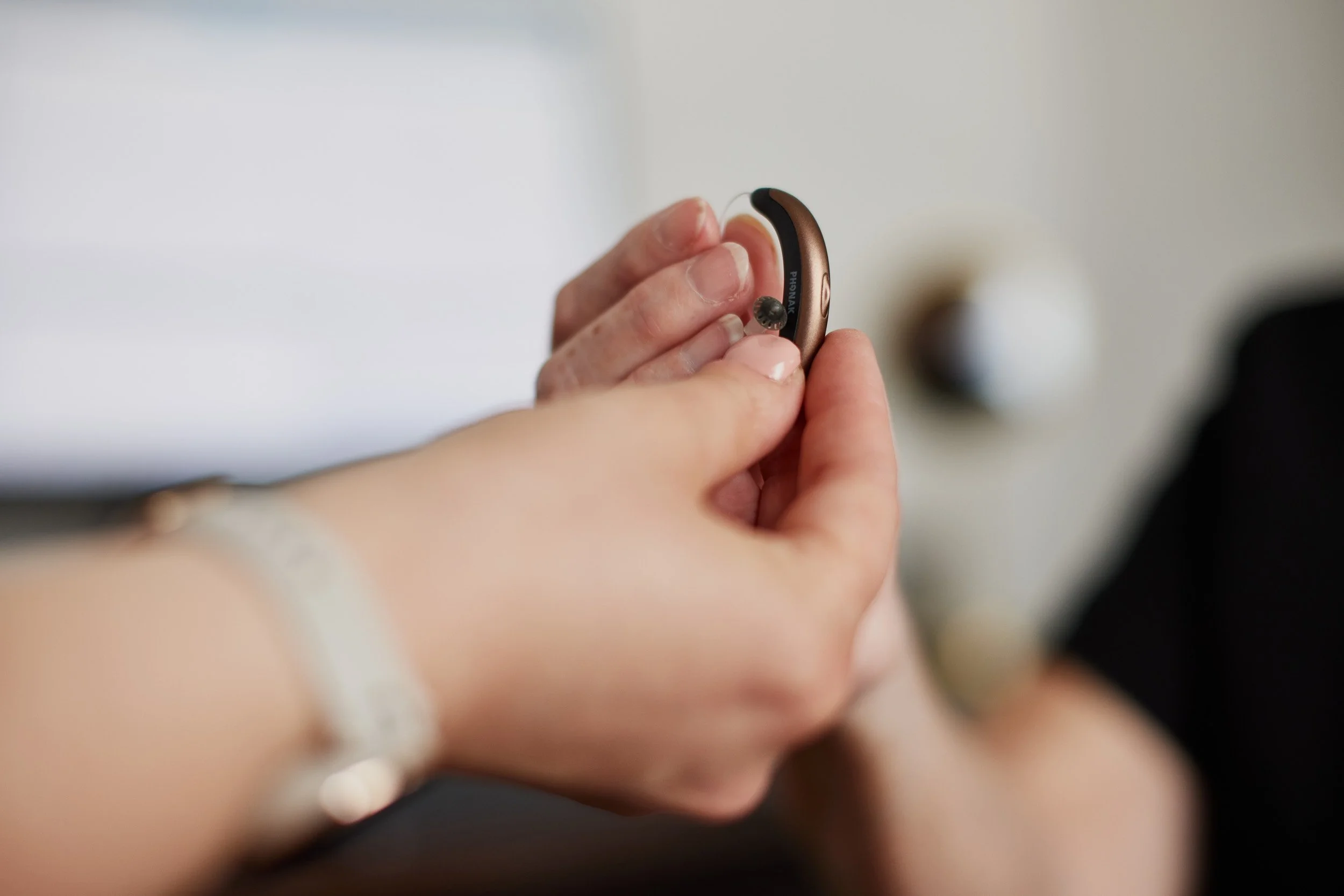
Choosing a hearing aid can be an overwhelming task! This article talks about the two main styles of hearing aids (in-the-ear and behind-the-ear) and the pros and cons of behind-the-ear aids.

Getting Used to Hearing Aids: What to Expect and How to Succeed
Getting used to new hearing aids can take time. Understanding the way our brain adapts to new sounds (a process known as ‘acclimatisation’) is essential to a successful hearing aid fitting. Read on for more info on how to succeed with your new hearing aids.

What Is Meant by ‘Independent’ Audiology?
What is meant by ‘independent’ audiology and how does independent practice compare with retail chain audiology? Understanding these differences can help you make a more informed choice about your long-term audiology care.

7 Reasons To Book a Hearing Assessment
Whether you’ve reached a certain age, started noticing tinnitus, or have a GP referral, there are many potential signs it might be time to book a hearing assessment. Here's 7 things to look out for.

Sudden changes to your hearing should be treated as a medical emergency, not ‘wait and see’
If you have a sudden change to your hearing, it may seem reasonable to ‘wait and see’ if it improves with time. However, Hobart Hearing Care recommends having this issue investigated immediately - find out why in this article.

Why Are People Mumbling More (And What It Might Mean for Your Hearing)
Why do people seem to mumble more often? If you’re often needing to ask people to repeat, it may be a sign of high-frequency hearing loss, which affects the clarity of speech. Find out more in this post.

Safe and Effective Earwax Removal Methods You Should Know
Dealing with blocked ears or excess wax? This post covers safe removal methods, including why microsuction is the preferred option, the risks of syringing, and why ear candling should be avoided. Plus, simple tips for keeping your ears clean at home.

Understanding Earwax – What It Is and Why We Need It
This blog is all about what earwax is, why we have it, and why most people don’t need to be so quick to remove it.