
What Is Meant by ‘Independent’ Audiology?
If you know or suspect you have a hearing loss, choosing an audiology practice can be an overwhelming decision. Australia has hundreds of clinics to choose from, ranging from local, independent practices to national and global retail chains. While most offer hearing tests and hearing aid fittings, the model of care, range of devices and way each business is run can differ significantly. Understanding these differences can help you make a more informed choice.

Choosing an audiology practice can be an overwhelming decision
Who owns the business?
Retail chain audiology clinics are owned and operated by national or global corporations. Some are owned by hearing aid manufacturers (vertical integration), while others are franchises, run by individuals under a parent company that sets strict guidelines around branding, product ranges and operating systems.
Independent clinics (like Hobart Hearing Care) are owned and operated by an audiologist or group of audiologists. The person seeing you is usually the person deciding how the clinic is run - from which brands are stocked to how much time is spent with each client.
Incentives and bias
Selling large volumes of hearing aids gives retail chains access to significant wholesale discounts. Some pass these savings on to clients, offering ‘budget’ options for hearing aids; others use these discounts to boost profit margins. Since many chains are tied to a manufacturer or a restricted supplier list, recommendations may be shaped, even subtly, by sales targets or preferred brands.
As an independent clinic, Hobart Hearing Care isn’t owned by any manufacturer. We're free to select from the full range of brands and technology levels available in Australia, and to provide unbiased advice based on the client’s individual needs; not a sales quota or a parent company's preferred devices.
Pricing isn't always what it seems
Pricing transparency varies across both independent and chain providers, and it's worth looking beyond the price to what value is being provided. Independent clinics are often not the cheapest option, and that's usually due to stocking a broader range of brand-name devices rather than a limited selection or high-volume "home brand". The pricing difference typically reflects more time in appointments, more choice of devices, less pressure to meet sales targets, and a higher level of individualised care; but it's always worth asking exactly what's included in the price, at any clinic, before you commit. It's also worth knowing that some retail chains advertise free or low-cost entry-level devices or free hearing tests to draw clients in, with a view to upselling to more expensive devices during the appointment.
Follow-up and aftercare
Getting used to hearing aids takes time; usually weeks, if not months, for your brain to learn to interpret the new sounds being delivered. Some people adapt faster than others, depending on their type of hearing loss. In the longer term, it’s also important to review your hearing and the performance of your devices periodically (we recommend annually) to ensure the devices are running optimally, and any changes to your hearing are picked up on and adjusted for. This is why the appointments after your fitting matter just as much as the one where you buy the devices.
Because your audiologist is also the business owner, there's a direct incentive to make sure your hearing aids work for you long after the sale. At an independent clinic, ongoing follow-up, fine-tuning and support are typically built into the relationship, not treated as an optional extra..
Many retail chains, by contrast, operate on a high-volume model, relying on fitting large numbers of new hearing aids. To accommodate a large volume, appointments may be shorter and new clients can be prioritised over existing ones. Seeing a different audiologist each visit, or longer wait times, can also make continuity of care harder to achieve.
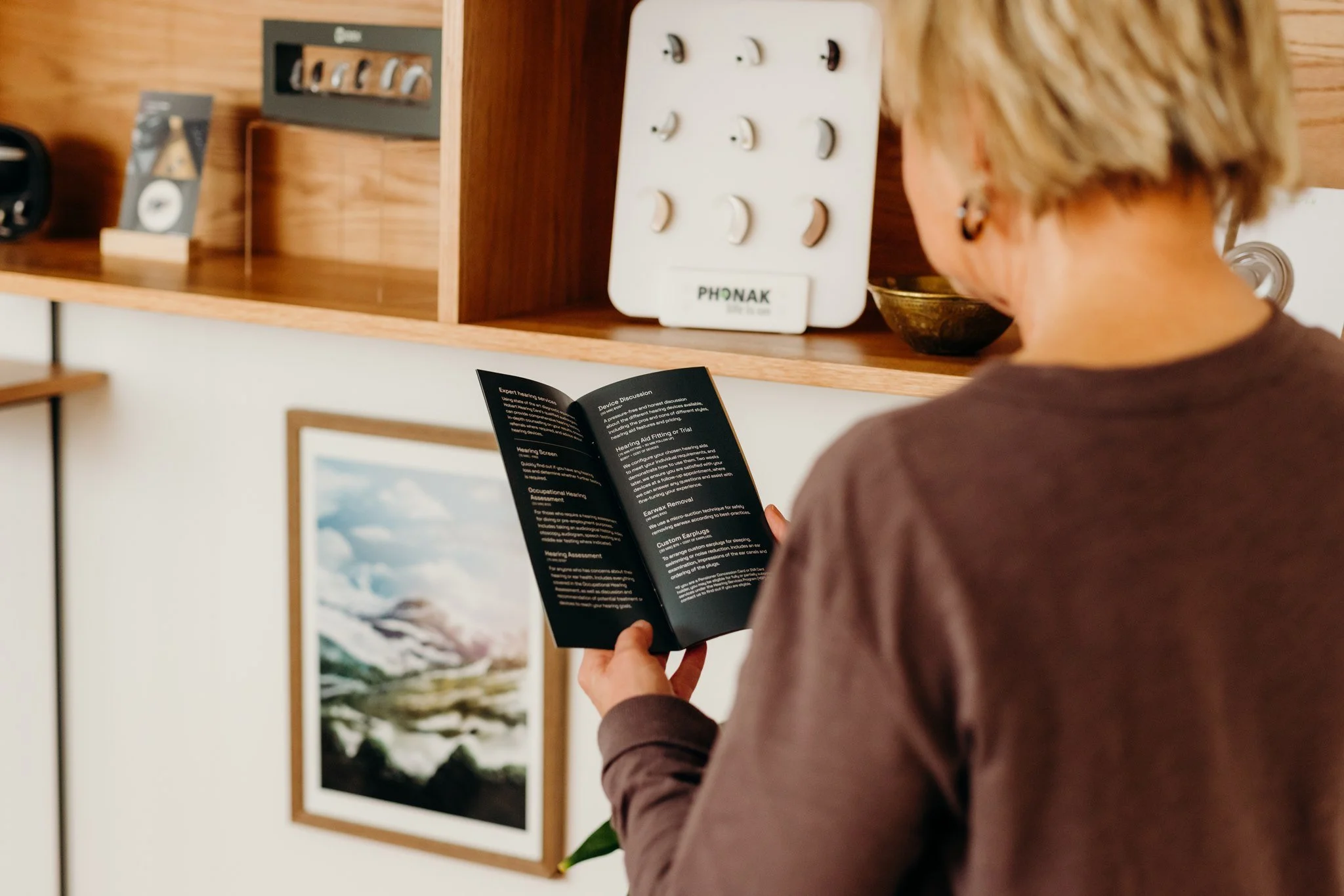
Independent audiologists can offer a broader range of choices when it comes to hearing aids
Choosing what's right for you
Neither model is inherently right or wrong; retail chains and independents can both provide qualified, capable care, and both have the capacity to operate unethically! But understanding who owns the business, how incentives are structured, and what's really included in the price and the aftercare can help you choose the provider that's the right fit for your hearing, your budget and your peace of mind. As an independent, Hobart Hearing Care isn't beholden to any manufacturer, and we view our clients' hearing outcomes as our priority.