
Choosing the Right Hearing Aid Style – Part 1
Choosing a hearing aid can be an overwhelming task! Aspects that must be considered include your hearing levels, your hearing goals (i.e. what you would like the hearing aids to help you achieve), your preferences, your budget and additional requirements such as being easy to manage or being fully waterproof. This two-part article covers one of the choices you must consider when it comes to hearing aids; the style.
What do we mean by hearing aid ‘style’?
The ‘style’ of the hearing aid refers to the physical design, size, and placement of the device on or in the ear. Choosing the style of the hearing aid is a good starting place for choosing a hearing aid. The main two styles of hearing aids are behind-the-ear hearing aids and in-the-ear hearing aids. We will cover the pros and cons of behind-the-ear style hearing aids in this article.
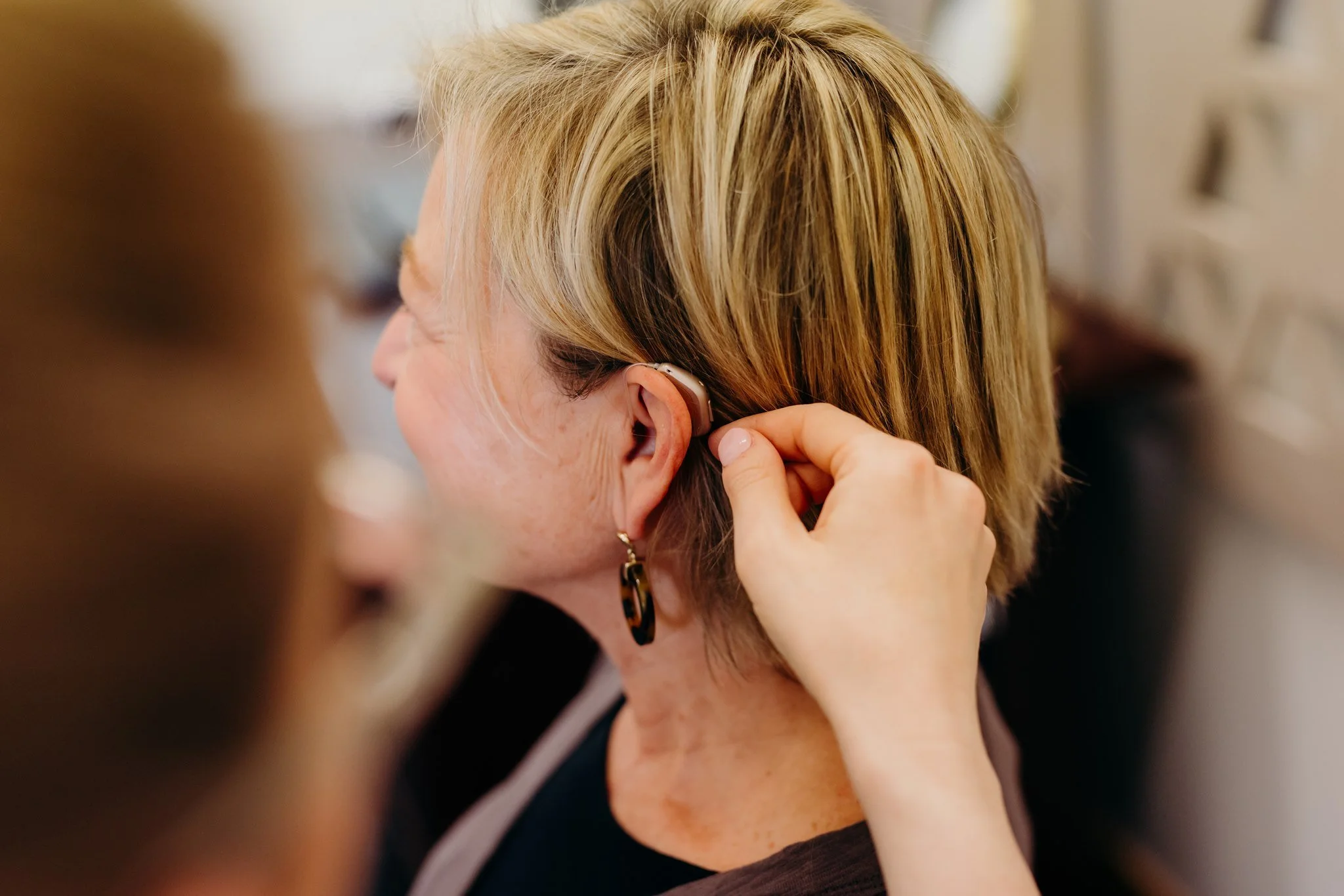
Example of a RIC - a behind-the-ear style hearing aid
Behind-the-ear style
As the name suggests, the body of this aid sits behind the ear, with a tube or wire running from the top of the ear down into the ear canal, ending in an earpiece which sits close to the eardrum to deliver the sound. Most of the behind-the-ear style hearing aids these days are further classified as ‘receiver-in-the canal’ (RIC), which have a thin wire ending in a small speaker sitting close to the eardrum underneath the earpiece (which might take the form of a silicone dome or sleeve, or a custom acrylic mould to perfectly fit the ear canal).
The advantages of a behind-the-ear hearing aid style include:
Being more robust and less likely to breakdown, as most of the aid’s electronics sit on the outside of the ear canal
Your own voice tends to sound more natural and less of your internal noises are amplified (e.g. chewing) because there is less material blocking the ear
For someone with a milder hearing loss or starting out with hearing aids, they are usually more comfortable to wear, as there is less material in the ear canal
These models often include more features such as Bluetooth and telecoils for connecting to electromagnetic hearing loops, as the body of the aid is large enough to accommodate these components
Features that reduce background noise can often be more effective, due to the microphones being situated further apart than on in-the-ear hearing aids
For people with long hair, this is probably the most discrete hearing aid style
Onboard buttons can be helpful to turn the hearing aids up and down without having to use a remote or mobile phone
If you lose your hearing aid or it needs to go away for a service, Hobart Hearing Care will usually be able to offer a similar style aid for you to borrow so you are still able to hear during this period.
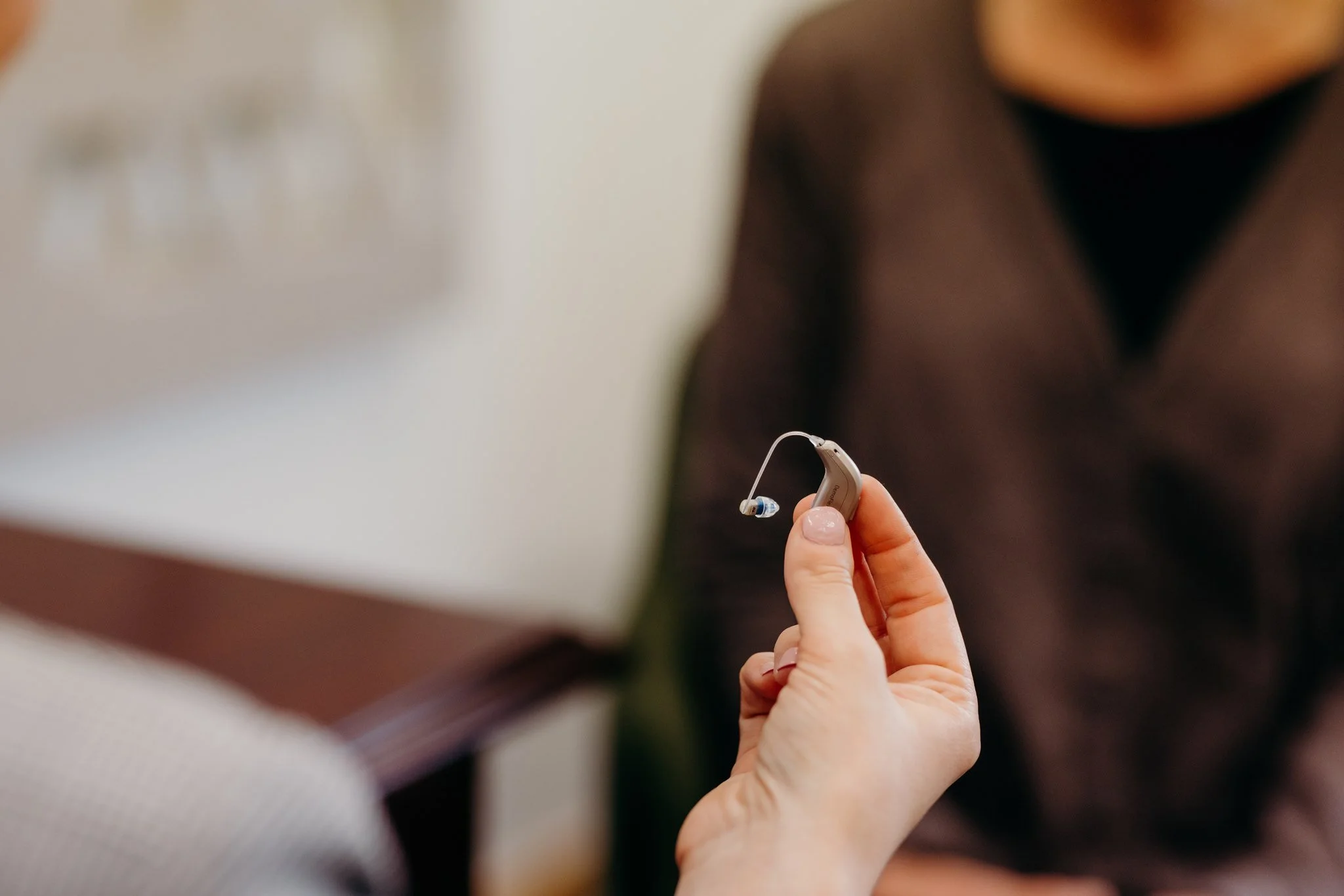
Behind-the-ear hearing aids are comfortable, discrete and robust
The disadvantages of a behind-the-ear hearing aid style include:
They may be easier to flick out and lose as they can catch on glasses or face masks when these items are being removed, or on twigs while gardening or bushwalking
They may be more prone to wind noise, as the microphones are less protected than with in-the-ear hearing aids
These hearing aids may be more visible from the back if you do not have hair
If you have dexterity issues (for example, arthritis or lack of sensitivity in the fingers due to diabetes which affects your ability to manipulate small components) these may be more challenging to manage than an in-the-ear style of hearing aid
In our next post, we will cover the pros and cons of in-the-ear hearing aids – stay tuned!