
7 Reasons To Book a Hearing Assessment
There are many reasons to book a hearing assessment, and in this article, we’ll discuss 7 of them.
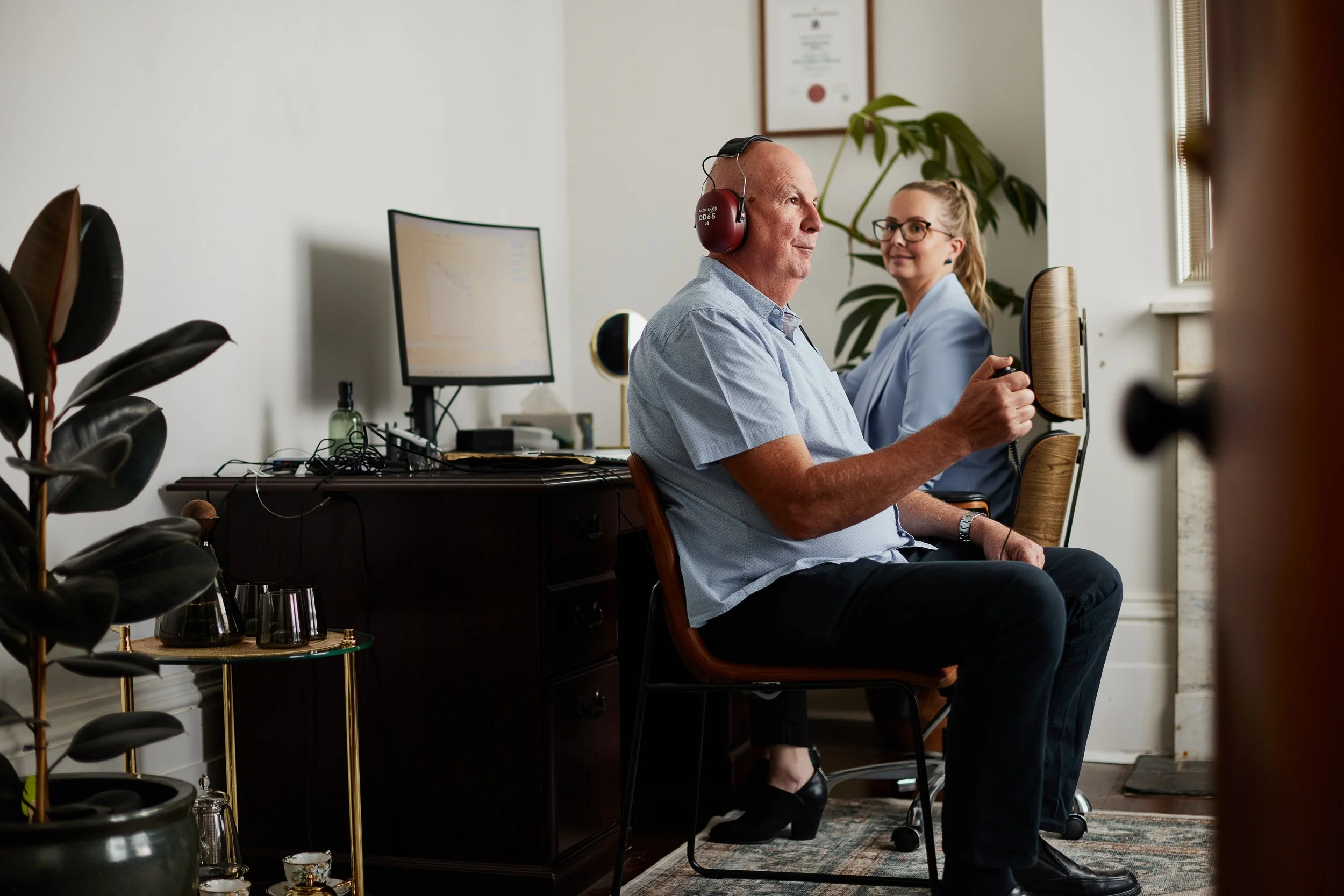
If you’ve turned 60, it’s a good idea to get a hearing test as part of your overall health management
1. You've turned 60
Age is one of the biggest risk factors for hearing loss. According to the Department of Health, Disability and Ageing (2025), hearing loss affects around 50% of people aged 60 to 70, and up to 70% of those aged 70 and over. Because age-related hearing loss develops slowly, many people don't notice the change until family members or friends point it out. A baseline hearing assessment gives you a clear picture of where you stand and makes it easier to track any changes over time. It could also give you an indication of whether you may benefit from hearing rehabilitation such as having hearing aids fitted.
2. You struggle to hear in certain situations
If conversations sound like mumbling, or you find it increasingly difficult to follow what's being said in noisy environments (e.g. cafes, family gatherings, or work meetings), this can be an early sign of hearing loss. It's often not that people are speaking less clearly; it's that certain pitches and sounds have become harder to pick up, especially against background noise. The most common pattern of hearing loss we see is high-frequency hearing loss (click here to read more about this topic in a previous post). A hearing assessment can identify exactly what's changed and what might help.
3. Your workplace requires it
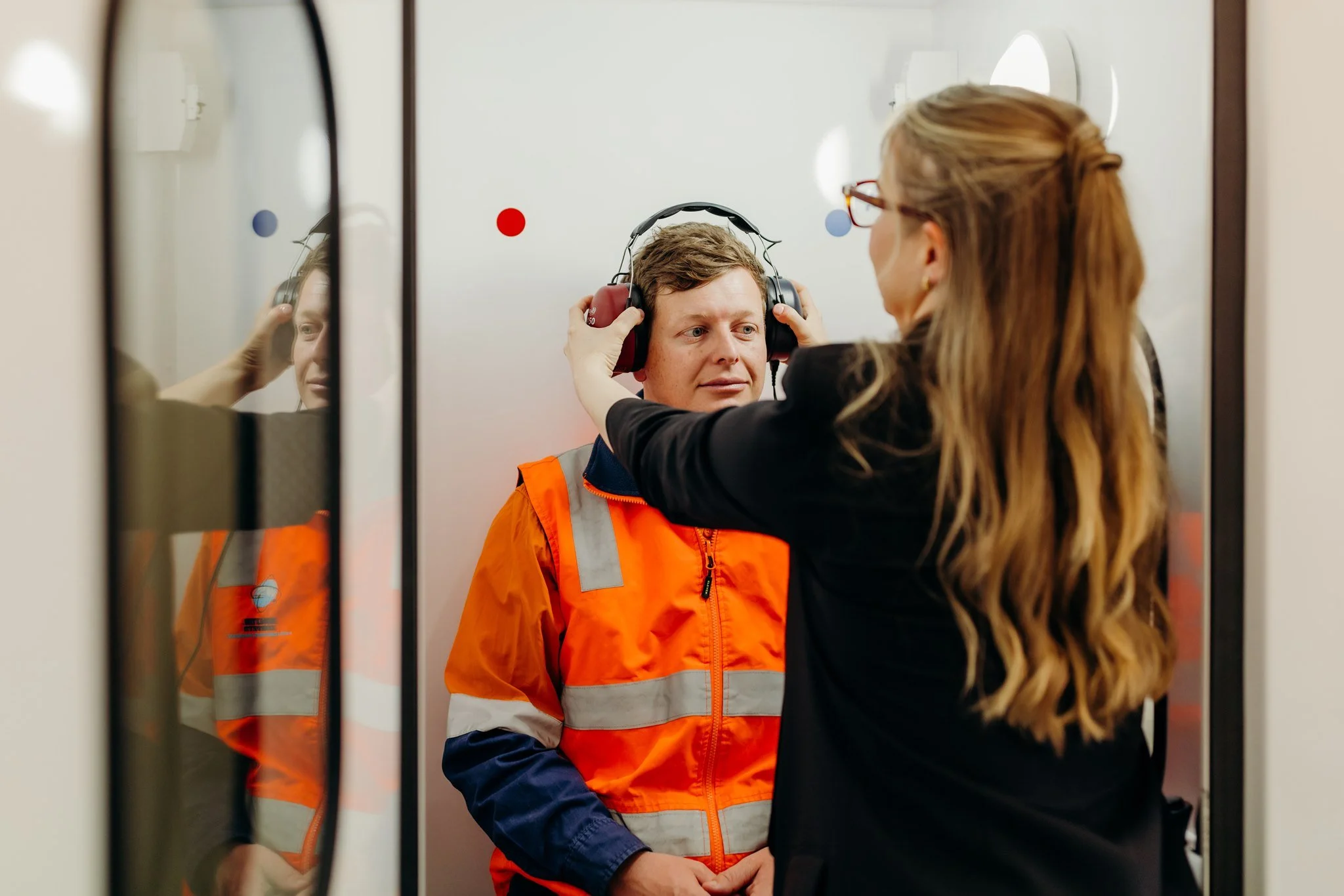
Your workplace may require you to obtain a hearing test
Certain industries require regular hearing tests as part of workplace health and safety obligations, particularly roles involving noise exposure, machinery, or safety-critical communication. If you're currently working in, or applying for a role in, one of these industries, you may need a hearing test as a condition of employment or ongoing compliance. The most common industries requiring this testing include aviation, police and construction.
4. You have tinnitus
Tinnitus, a ringing, buzzing, or hissing noise perceived in the ears, can be intermittent or constant, and can range from mildly annoying to significantly disruptive. A hearing assessment is often a useful starting point for investigating the underlying cause of tinnitus and developing management strategies.
5. Your GP has recommended it
If your GP has suggested a hearing assessment, it's worth taking seriously. Hearing tests can assist in diagnosing a range of medical conditions affecting the ears, including ear infections, Meniere's disease, and rare but serious conditions such as acoustic neuromas (benign tumours affecting the hearing and balance nerves). Early detection makes a real difference to treatment outcomes.
6. To obtain a baseline set of results

Having a baseline set of hearing results can be helpful, as you may have a family history of hearing issues, or experience unexpected changes in the future
Even if you do not have any concerns regarding your hearing, if you have never had a hearing test before, this could be a good opportunity to be proactive about your hearing health and obtain a set of baseline results. At Hobart Hearing Care, a hearing assessment includes a physical examination of the outer ear and eardrum, a test of the eardrum and middle ear status (called tympanometry) and a comprehensive assessment of the hearing, including speech testing. You may have a family history of hearing loss (for example, certain ear diseases such as otosclerosis are often passed onto us through our genetics), so it can be helpful to obtain a baseline, so in the future, any changes can be compared against your original results. Even if you do not have a family history of hearing loss, sudden changes can also occasionally occur; which brings us to our final reason for booking a hearing assessment.
7. You have experienced a sudden change in your hearing
If you experience a sudden decrease in your hearing, please contact us as soon as possible, as this can be a medical emergency. While sudden hearing changes can often be simple issues such as earwax build up or temporary ear infections, they can sometimes be a symptom of permanent changes to your hearing - such as sudden sensorineural hearing loss - which need urgent medical treatment. Where possible, we will do our best to see you on the same day if you suspect you’ve had a sudden hearing loss. We can help confirm the nature of the hearing loss, and advise on next steps to improve your chances of recovery. Read more about sudden sensorineural hearing loss here.
Ready to get your hearing checked? Book a hearing assessment with Hobart Hearing Care today.